
7 East Cobb Neighborhood Clues That Signal Long-Term Luxury Value
7 East Cobb Neighborhood Clues That Signal Long-Term Luxury Value
Luxury value rarely happens by accident. In East Cobb, the neighborhoods that hold attention year after year usually share a recognizable set of traits: polished streetscapes, strong school demand, thoughtful development, and a lifestyle that still feels appealing long after trends shift. For buyers who want more than a beautiful house, the real question is whether the surrounding community will continue to support appreciation, prestige, and day-to-day enjoyment over time.
That is where a more strategic lens matters. A stunning kitchen or resort-style backyard may win hearts on day one, but long-term luxury value is often shaped by less obvious details outside the front door. In a competitive North Atlanta market, savvy buyers and sellers pay close attention to the signals that indicate staying power.
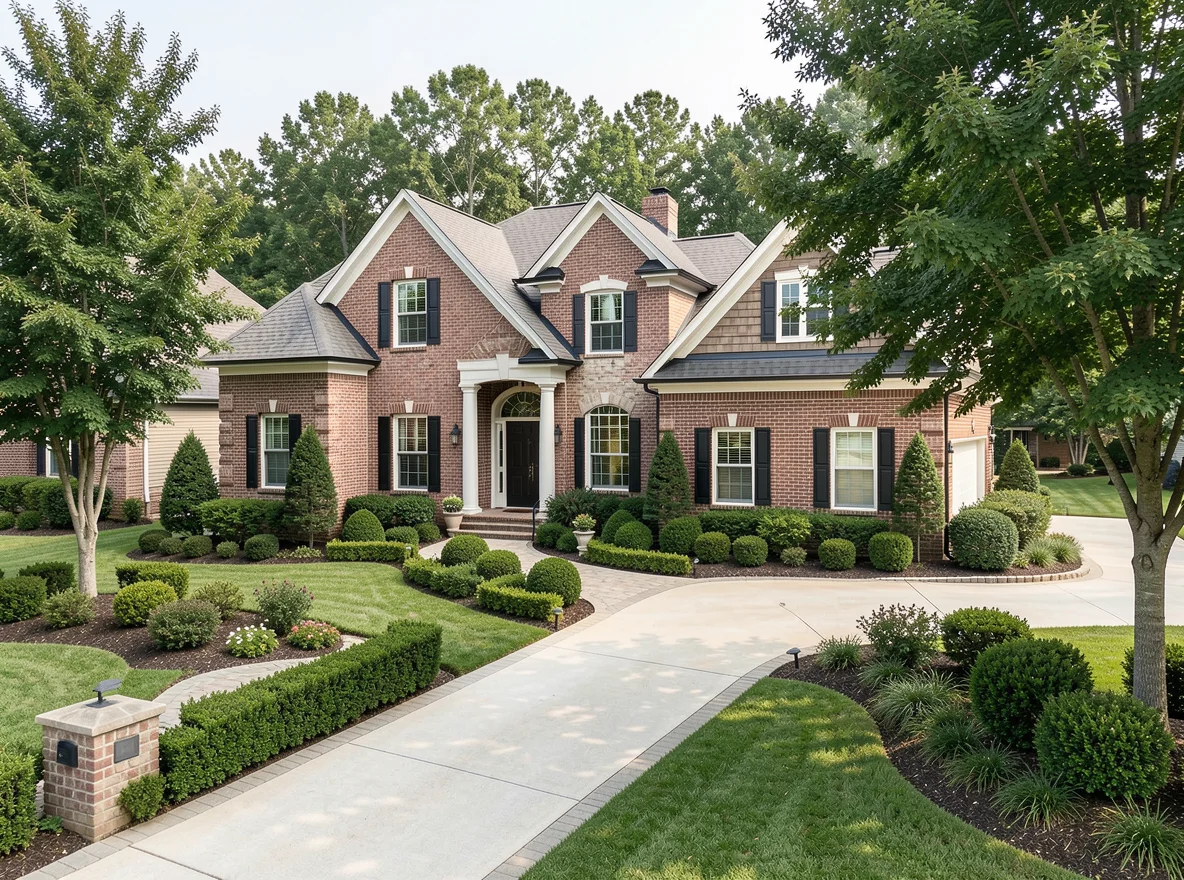
First clue: consistency in curb appeal. Not sameness, but a clear standard. In East Cobb’s most resilient luxury pockets, homes tend to feel individually distinctive while still fitting the broader character of the area. You see mature landscaping, well-kept facades, quality materials, and streets that present as established rather than improvised. That visual continuity sends a message to future buyers: owners care, the neighborhood has guardrails, and value is being protected from one property line to the next.
Second: school reputation with real staying power. Even buyers without children often benefit from being in or near sought-after school zones because demand remains broader and deeper in every market cycle. East Cobb has long been known for strong public schools, and that reputation supports buyer confidence, relocation interest, and resale liquidity. When a neighborhood consistently attracts families who prioritize education, it creates a durable foundation under pricing that many luxury markets would love to replicate.
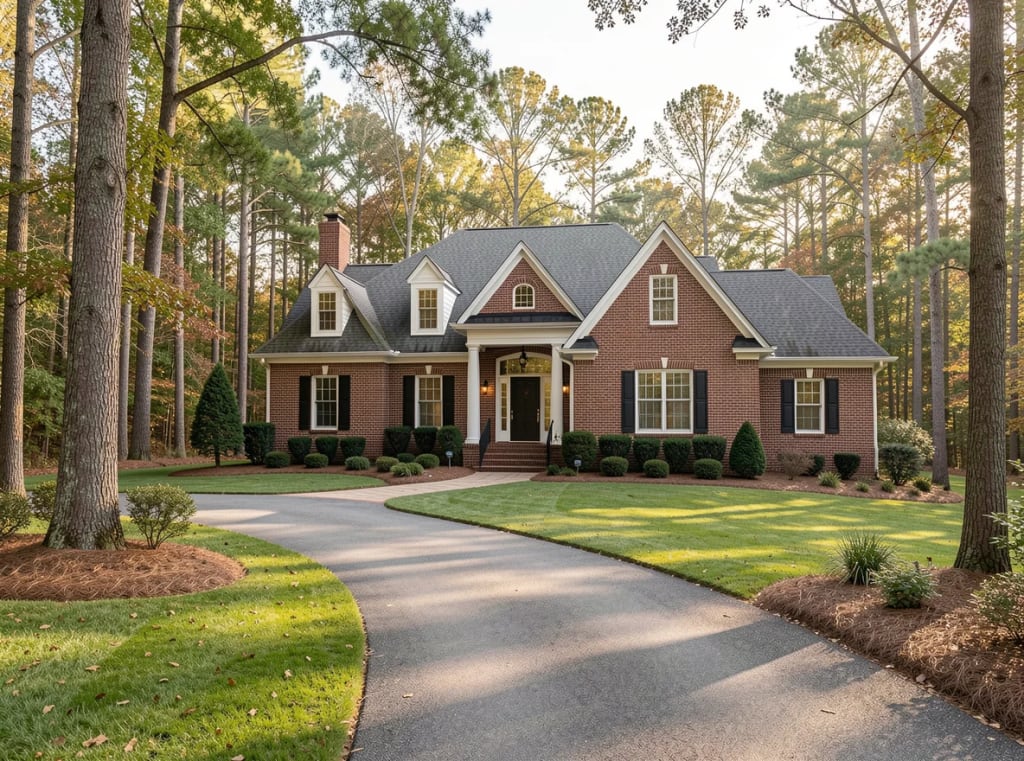
Third: lot quality and neighborhood layout. Long-term value is often stronger where homes sit on usable lots, streets feel navigable and quiet, and the community offers a sense of privacy without isolation. In East Cobb, that can mean a winding street lined with hardwoods, a neighborhood of substantial homes on generous parcels, or a property that feels tucked away while remaining minutes from daily conveniences. Buyers tend to pay a premium for that balance, and they continue to do so because it is hard to duplicate with new construction alone.
What Lifestyle Signals Matter Most
Luxury buyers are not just purchasing square footage. They are buying time, ease, and access. That is why proximity to everyday amenities becomes the fourth clue. The strongest neighborhoods are often close to golf, parks, country clubs, top medical services, fitness options, and polished gathering places without feeling crowded or overbuilt. East Cobb’s appeal is tied to this exact mix: residential calm with convenient connections to Roswell, Sandy Springs, Buckhead, and major employment centers across North Atlanta.
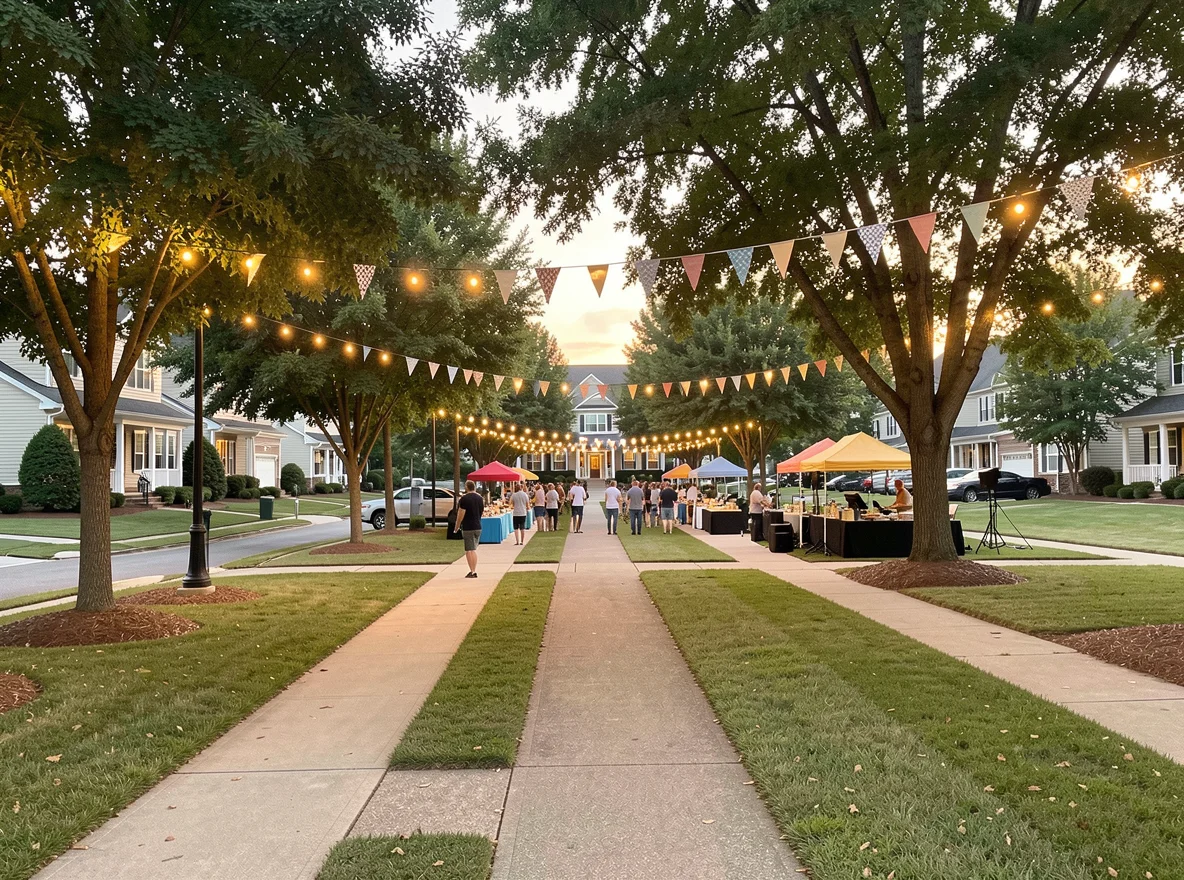
The fifth clue is community identity. Some neighborhoods feel expensive but forgettable; others develop a reputation that quietly strengthens over years. In East Cobb, lasting value is often tied to communities known for established homes, owner pride, low turnover, and a reputation that circulates by word of mouth. When people specifically hope to “get into” a certain area, that emotional demand can be just as important as the hard numbers. It creates competition even when inventory is limited, which helps preserve pricing strength.
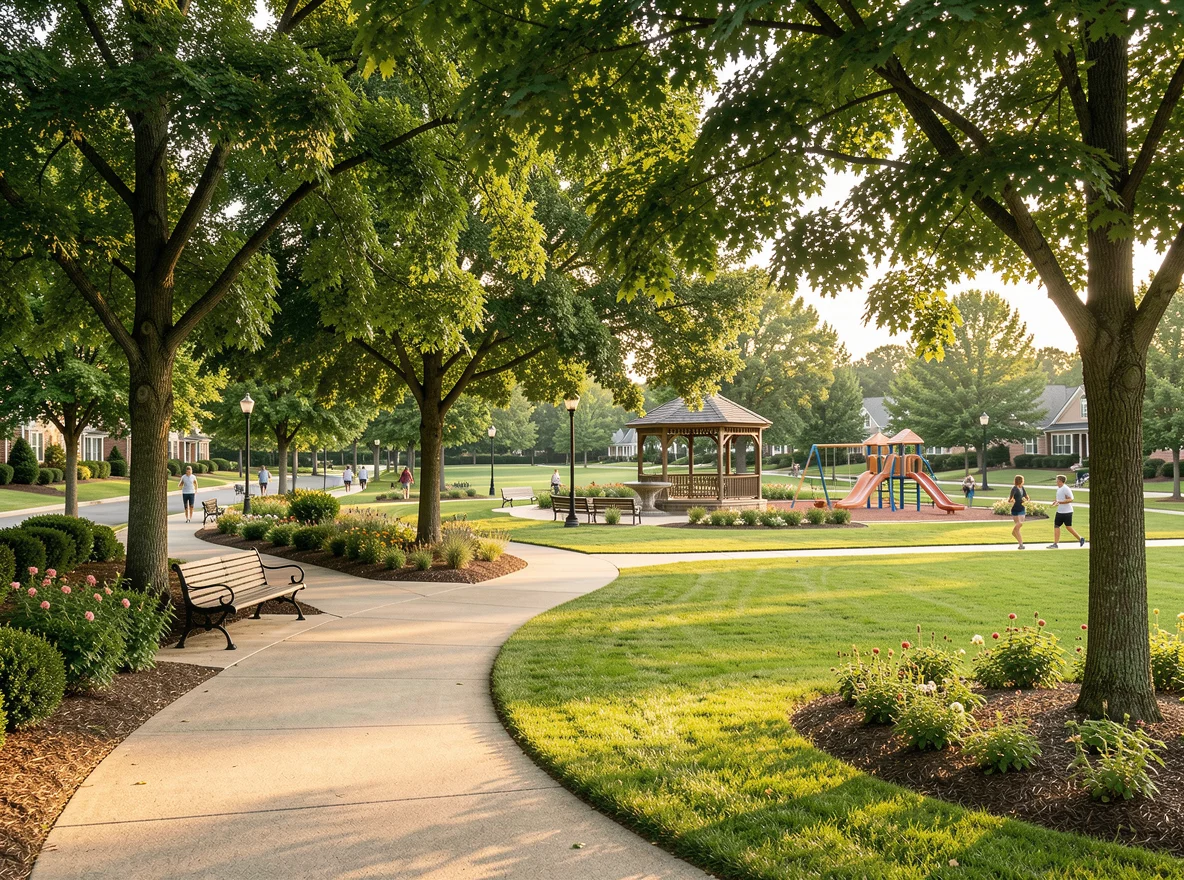
Sixth: sensible evolution rather than disruptive change. Buyers looking for long-term luxury value should watch how an area grows. Are roads improving? Are nearby amenities becoming more polished? Is redevelopment additive, or does it undermine the character people moved there to enjoy? The healthiest luxury neighborhoods tend to benefit from nearby investment while retaining what made them attractive in the first place. In East Cobb, that often means established residential streets complemented by thoughtful updates in adjacent commercial and civic spaces.
The seventh clue is market behavior itself. Data tells a story when you know how to read it. Watch for neighborhoods where days on market stay relatively disciplined, price reductions are not excessive, and well-prepared homes still draw serious interest. Also look at sale-to-list ratios, turnover patterns, and how properties perform across changing interest-rate environments. A neighborhood that continues to attract buyers when conditions are less than perfect is often showing you exactly where long-term confidence lives.
Of course, no clue stands alone. A neighborhood with elite schools but inconsistent home maintenance may not perform like one with stronger visual cohesion. A beautiful enclave with large lots may still underdeliver if access is inconvenient or if nearby growth erodes the setting. That is why evaluating luxury value takes a layered approach, blending lifestyle judgment with pricing strategy, local pattern recognition, and on-the-ground experience.
How Buyers and Sellers Can Use These Clues
For buyers, these seven signals help separate a flashy purchase from a smart one. The goal is not only to find the home that feels right today, but also the neighborhood that will still command respect years from now. That matters especially for relocation clients arriving in North Atlanta, where East Cobb, Roswell, and Milton can each offer a different version of luxury living. Understanding which neighborhood traits support future demand can turn a good decision into a great one.
For sellers, these clues help shape a sharper marketing narrative. A luxury home should not be presented as an isolated asset; it should be positioned within the context that makes it valuable. School access, curb appeal standards, lot characteristics, recreational convenience, and long-term market stability are all part of the story sophisticated buyers want to hear. When pricing and promotion are backed by real neighborhood intelligence, the listing feels more credible and more compelling.
That is where a data-driven, market-savvy approach becomes especially valuable. In luxury real estate, the best outcomes usually come from combining instinct with evidence: what buyers respond to emotionally, what the numbers support, and what local experience reveals before the broader market catches up. The neighborhoods with enduring value are rarely random picks. They are places where quality, lifestyle, and demand keep reinforcing one another.
East Cobb continues to stand out because it offers exactly that kind of foundation. Beautiful homes matter, but the bigger win is finding a setting with lasting appeal, practical convenience, and a reputation buyers trust. If a neighborhood checks these seven boxes, there is a good chance it is not just expensive today; it is positioned to remain desirable for the long run.