

5 Atlanta-to-Suburbs Questions Every North Metro Relocation Buyer Should Ask
5 Smart Questions to Ask Before Moving from Atlanta to the North Metro Suburbs
Relocating from intown Atlanta to the northern suburbs is not just a change of address; it is a change in pace, priorities, commute patterns, and even weekend routines. For many buyers, the move starts with a simple goal like more space, stronger schools, or a quieter setting, but the right decision usually comes from asking better questions early. Whether you are comparing East Cobb, Roswell, Milton, or nearby communities, a thoughtful home search can help you avoid trading one inconvenience for another.
North metro relocation buyers often arrive with a mix of excitement and uncertainty. They know they want more room to breathe, but they may not yet know how different two seemingly similar suburbs can feel once school drop-off, rush-hour traffic, and daily errands become part of the equation. That is why a strategy grounded in local knowledge, strong market analysis, and practical lifestyle planning matters so much.
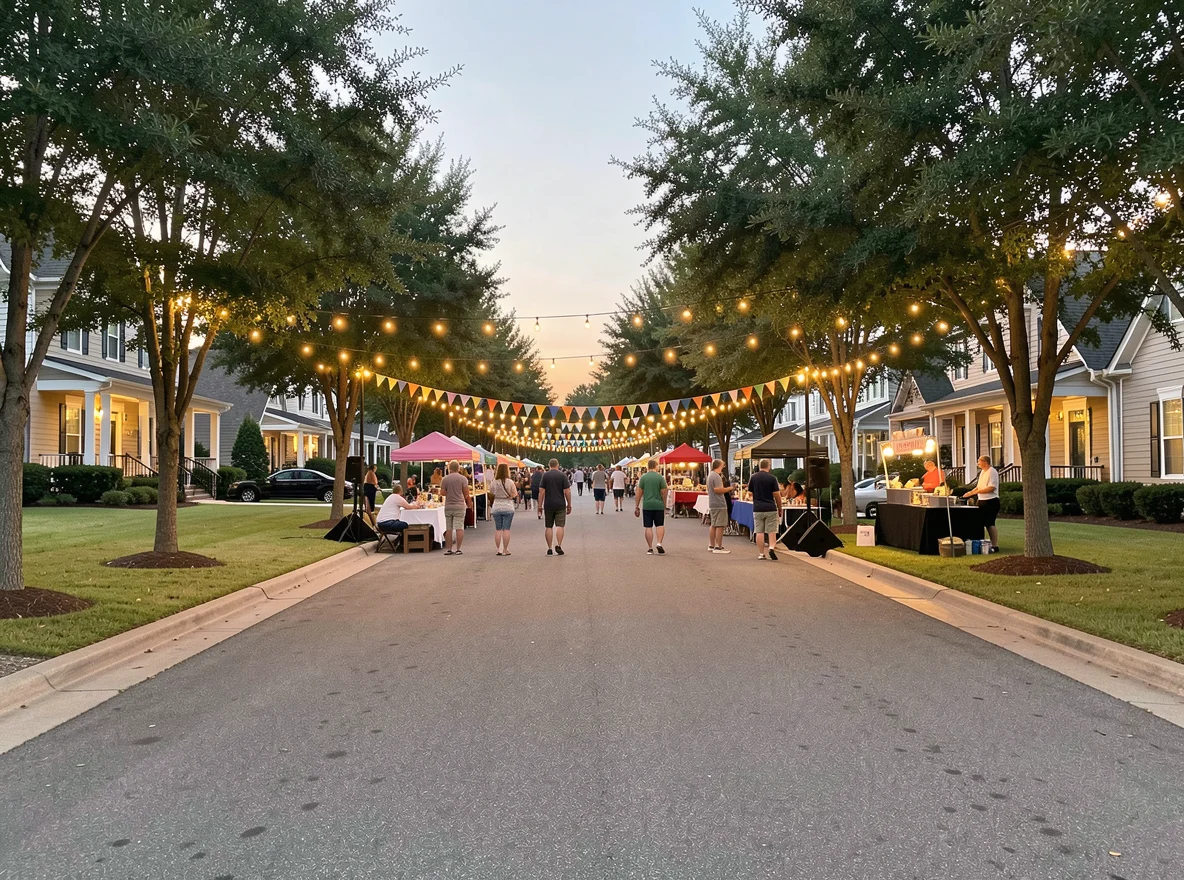
Question 1: What kind of daily lifestyle do I actually want? This sounds obvious, but it is where many searches go off track. Some buyers picture a large home and private yard, only to realize later they miss being able to get to fitness studios, trails, or social spots in just a few minutes. Others think they want a walkable environment, then discover their top priority is really a newer home, a three-car garage, and a quieter neighborhood street. East Cobb tends to appeal to buyers focused on established neighborhoods, highly regarded schools, and convenient access to both suburban amenities and major work corridors. Roswell often offers a blend of charm, recreation, and community energy, while Milton attracts buyers seeking larger lots, an equestrian feel in some areas, and a more tucked-away luxury atmosphere.
Question 2: How will this location affect my commute and regular travel patterns? A map rarely tells the full story. Ten or fifteen miles can feel dramatically different depending on the route, the time of day, and whether you need quick access to Buckhead, Midtown, Perimeter, or the airport. Buyers relocating from Atlanta sometimes underestimate how much their routines depend on a handful of key roads. Think beyond your work commute. Consider school routes, grocery runs, after-school activities, access to medical care, and how often you entertain friends coming from the city. A home that looks perfect online can feel less ideal if every trip requires a long sequence of left turns, congestion points, or weekend bottlenecks.
Question 3: Which neighborhood best fits my stage of life, not just my budget? Price is only one filter. The better question is whether the neighborhood supports how you live now and how you expect to live over the next five to seven years. Families with younger children may prioritize school continuity, sidewalks, and community swim or tennis amenities. Executives and luxury buyers may focus more on privacy, architectural quality, lot size, and access to country clubs or executive travel routes. Empty nesters making a suburban move may want lower-maintenance homes without giving up style or prestige. Asking the right long-term questions keeps you from buying a house that works today but feels limiting surprisingly fast.
Looking Beyond the Listing Photos
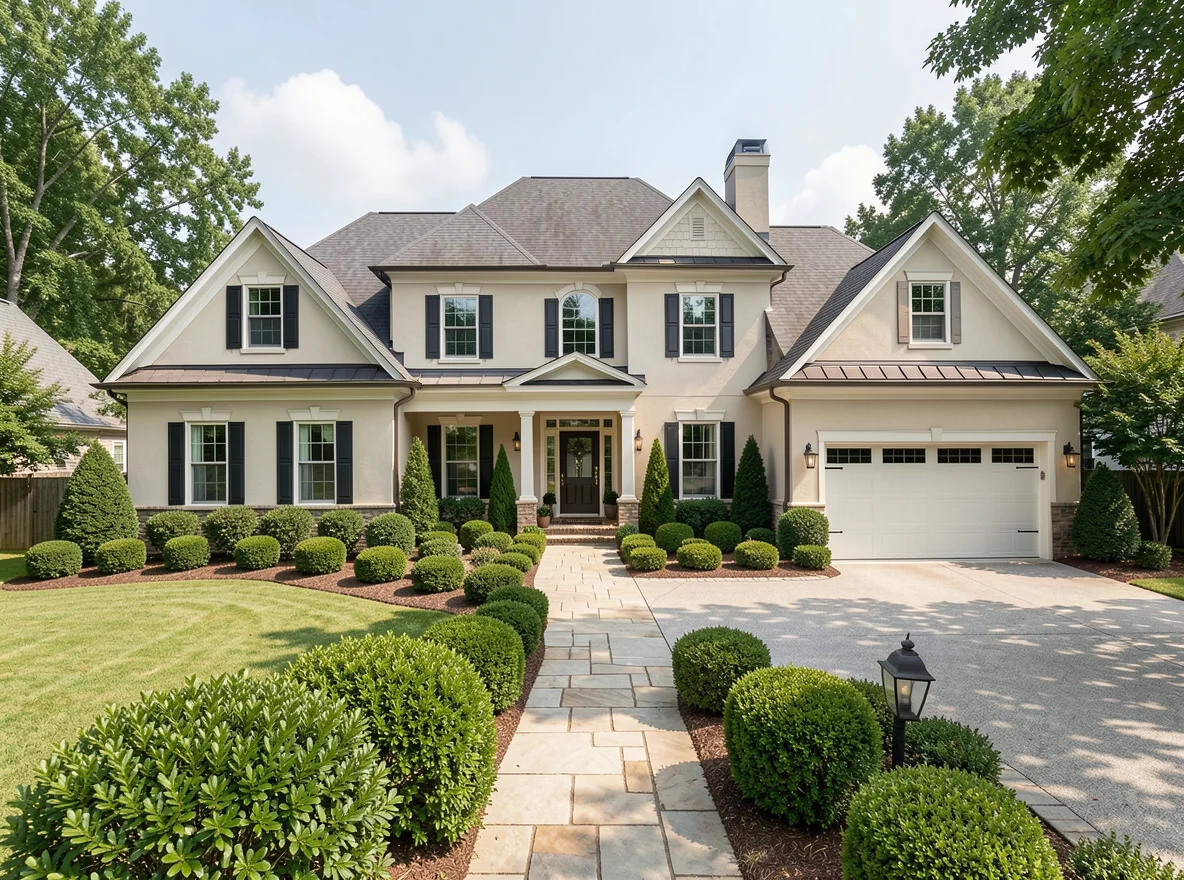
Question 4: What is the market really telling me about value here? In north metro Atlanta, two homes with similar square footage can command very different prices based on school districts, renovation quality, lot usability, micro-location, and neighborhood reputation. That is why relocation buyers benefit from a data-driven approach instead of relying on broad assumptions. The goal is not simply to win a house; it is to buy intelligently. Understanding days on market, recent comparable sales, pricing trends, inventory pressure, and seller motivation can shape both your offer strategy and your confidence level. In competitive areas such as East Cobb, Roswell, and Milton, disciplined pricing analysis helps buyers move decisively without overpaying.
Question 5: Who can help me connect the market data to real-life decision-making? This may be the most important question of all. A relocation move involves more than showing homes. It requires someone who can translate neighborhood differences, explain how pricing behaves from one pocket to the next, and help you see around corners. Buyers coming from Atlanta often need guidance on balancing emotional preferences with practical realities. They may love one home’s finishes but need a sharper perspective on resale strength, traffic flow, or the tradeoffs hidden behind a polished presentation. A strong advisor brings both local fluency and negotiation strategy to the process.
That combination is especially valuable in luxury and move-up searches, where presentation can influence perception and where subtle differences in timing, pricing, and terms can have a meaningful financial impact. An agent with a background in advertising and marketing can also offer a more sophisticated lens on how homes are positioned in the marketplace, which helps buyers evaluate not only what they are seeing, but why a property is being perceived a certain way by competing purchasers.
Beyond the home itself, north metro buyers should spend time evaluating the broader community experience. Recreation is a major part of the appeal, from greenway trails and parks to golf, youth sports, and easy weekend escapes. Dining and gathering options vary by area too, with some communities feeling polished and energetic while others lean quieter and more residential. School considerations remain central for many households, but even buyers without school-age children often discover that school zones influence long-term desirability and resale performance. The strongest relocation decisions usually come from weighing lifestyle, convenience, and market fundamentals together rather than isolating any one factor.
A Better Relocation Move Starts with Better Questions

The best Atlanta-to-suburbs move is rarely about choosing the biggest house or the newest listing. It is about finding the place where your daily life works better, your investment makes sense, and your next chapter feels well aligned with your goals. For some buyers, that means a classic East Cobb neighborhood with convenience and reputation. For others, it means Roswell’s balance of community character and activity, or Milton’s luxury, land, and sense of retreat.
When you ask smarter questions at the start, you gain clarity faster and avoid expensive missteps later. With a relocation-focused, data-driven approach, buyers can compare communities with more confidence, negotiate with sharper insight, and move forward knowing they are choosing more than a house. They are choosing how they want to live in North Atlanta.